Geolocate

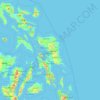
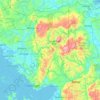
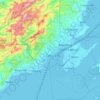
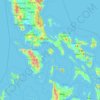
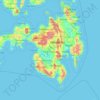
Eastern Visayas topographic map

Click on the map to display elevation.

About this map
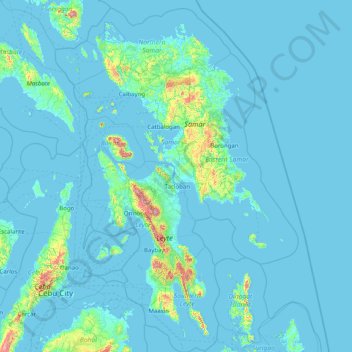
Name: Eastern Visayas topographic map, elevation, terrain.

Location: Eastern Visayas, Philippines (9.76033 123.89919 12.82943 126.10665)

Average elevation: 43 m

Minimum elevation: -2 m

Maximum elevation: 1,253 m

Other topographic maps

Click on a map to view its topography, its elevation and its terrain.
Kinoguitan

Philippines > Misamis Oriental

Average elevation: 60 m

Tanay

Philippines > Rizal

Average elevation: 32 m

Vigan

Philippines > Ilocos Sur

Vigan is situated in a Quaternary Age sedimentary plain called the Vigan-Bantay Plain which is part of the Ilocos coastal plain. The Vigan-Bantay Plain is bounded on the east by a moderately rugged Miocene sediments consisting of interbedded sandstones and shale to very rugged Meta-volcanics and Meta sediment…

Average elevation: 63 m
Quezon City

Philippines

Founded as a pueblo by Saint Pedro Bautista in 1590, San Francisco del Monte may be considered Quezon City's oldest district. The original land area of the old town of San Francisco del Monte was approximately2.5 square kilometres (1.0 sq mi) and covered parts of what is currently known as Project 7 and 8 and…

Average elevation: 57 m

Tadian

Philippines > Mountain Province

Average elevation: 1,155 m

Daraga

Philippines > Albay

67.3% of the total municipal land area has a predominantly low elevation of up to 100 metres (330 ft). The surface terrain is generally characterized by combination of level to nearly level areas, gentle to undulating areas and undulating to rolling areas.

Average elevation: 76 m
Baguio

Philippines

In 1903, Filipinos, Japanese and Chinese workers were hired to build Kennon Road, the first road directly connecting Baguio with the lowlands of La Union and Pangasinan. Before this, the only road to Benguet was Naguilian Road, and it was largely a horse trail at higher elevations. Camp John Hay was…

Average elevation: 881 m
Butuan

Philippines

Average elevation: 115 m

Sampaloc

Philippines > Rizal > Tanay

Average elevation: 394 m

Tanauan

Philippines > Batangas

Average elevation: 164 m

Sagada

Philippines > Mountain Province

Average elevation: 1,447 m

Samar

Philippines

Average elevation: 38 m

Panglao Island

Philippines > Bohol

Average elevation: 47 m

Malainen Luma

Philippines > Cavite > Naic

Average elevation: 54 m

Baras

Philippines > Rizal

Average elevation: 46 m

Sison

Philippines > Pangasinan

Average elevation: 124 m

Gabaldon

Philippines > Nueva Ecija

Average elevation: 308 m

Cabanatuan

Philippines > Nueva Ecija

Average elevation: 47 m

El Salvador

Philippines > Misamis Oriental

Average elevation: 69 m

Bohol

Philippines

Average elevation: 116 m

Rizal

Philippines

Average elevation: 95 m

Guiguinto

Philippines > Bulacan

Average elevation: 5 m

San Jose del Monte

Philippines > Bulacan

The elevation of the city ranges from approximately 40 to 900 meters (130 to 2,950 ft) above sea level; the relief transitions from warm lowland to cool upland as one goes eastward. This is because the city is part of the Sierra Madre mountain range. Plains and river valley flats characterize the western and…

Average elevation: 103 m
Lapu-Lapu

Philippines

Average elevation: 93 m

San Fernando

Philippines > Pampanga

Average elevation: 24 m

Matnog

Philippines > Sorsogon

Average elevation: 46 m

Roxas

Philippines > Isabela

The landscape of Roxas is relatively compose of flatlands with minimal rise at certain point with base mountain elevations on the eastern part, on the parts of Sinamar, Simimbaan and San Placido. It is approximately 90% of the land area comprising the town can be described as low-lying hills with rolling…

Average elevation: 59 m
Daraitan

Philippines > Rizal > Tanay

Average elevation: 291 m

Goa

Philippines > Camarines Sur

Average elevation: 85 m

Samar

Philippines > Samar

Average elevation: 154 m

Batanes

Philippines

Average elevation: 26 m

Dueñas

Philippines > Iloilo

Average elevation: 50 m

Romblon Island

Philippines > Romblon

Average elevation: 43 m

Bagong Silang

Philippines > Batangas > Calatagan

Average elevation: 16 m

Rizal

Philippines > Quirino > Rizal

Average elevation: 130 m

Norzagaray

Philippines > Bulacan

Average elevation: 66 m

Cebu City

Philippines > Cebu > Cebu City

Average elevation: 140 m

Pangolingan

Philippines > Zambales

Average elevation: 40 m

Mexico

Philippines > Pampanga

Average elevation: 7 m

Kabasalan

Philippines > Zamboanga Sibugay

Average elevation: 27 m

Alfonso Castañeda

Philippines > Nueva Vizcaya

Average elevation: 405 m

Libungan

Philippines > North Cotabato

Average elevation: 39 m

San Juan

Philippines > La Union

The topography of the town is characterized by hilly and mountainous terrain that gradually rises eastward from its coastal plains along the foothills of the Cordillera Central. The town is also traversed by several creeks and rivers, with the Baroro River being the most prominent.

Average elevation: 21 m
Jose Panganiban

Philippines > Camarines Norte

Average elevation: 41 m

Kabayan

Philippines > Benguet

Average elevation: 1,578 m

Anupul

Philippines > Tarlac > Bamban

Average elevation: 73 m

Balindong

Philippines > Lanao del Sur

Average elevation: 822 m

Angat River

Philippines > Bulacan

Average elevation: 46 m

Davao City

Philippines

Average elevation: 65 m

Taguig

Philippines

Average elevation: 39 m

Marinduque

Philippines

Average elevation: 54 m

Tarlac

Philippines

Average elevation: 109 m

Parañaque

Philippines

Average elevation: 14 m

Cebu

Philippines

Average elevation: 89 m

Valenzuela

Philippines

The highest elevation point is 38 meters (125 ft) above sea level. Having a surface gradient of 0.55% and a gentle slope, hilly landscape is located in the industrial section of the city in Canumay. The average elevation point is 2 meters (6.6 ft) above sea level.

Average elevation: 24 m
Maayon

Philippines > Capiz

Average elevation: 31 m

North Cotabato

Philippines > North Cotabato

Average elevation: 125 m

Carcar

Philippines > Cebu

The land is generally level with less than 18% slope comprising 78.7% of the total land area. Areas with slopes ranging from 18 to 50% cover 19.3% of the total land area and those over 50% slope comprise approximately 1.9%. The highest recorded elevation is a little over 660 metres (2,170 ft) above sea level,…

Average elevation: 97 m
Mandaue

Philippines

It is one of the two (the other one being the municipality of Consolacion) local government units located within the mainland Metro Cebu where the elevation of land is less than 100 m (330 ft).

Average elevation: 109 m
Iligan

Philippines

Average elevation: 229 m

Aparri

Philippines > Cagayan

Average elevation: 1 m

Villasis

Philippines > Pangasinan

Average elevation: 27 m

Dasol

Philippines > Pangasinan

Average elevation: 34 m

Cavinti

Philippines > Laguna > Cavinti

Average elevation: 250 m

Echague

Philippines > Isabela

Average elevation: 71 m

Angat

Philippines > Bulacan

Average elevation: 53 m

Dagupan

Philippines > Pangasinan

Average elevation: 12 m

Mandaluyong

Philippines

Another claims that the Spaniards named the place based on the report of a navigator named Acapulco, who saw the rolling hills frequently being lashed at by daluyong (“big waves from the sea”). This seems to confirm traditional pre-Hispanic stories that giant waves from the sea would meet the adjoining…

Average elevation: 33 m

San Roque

Philippines > Camarines Norte

Average elevation: 2 m

Patag Island

Philippines

Average elevation: 0 m

Kota Island

Philippines

Average elevation: 0 m

Lankiam Cay

Philippines

Average elevation: 0 m

Kalbay

Philippines > Davao Occidental > Jose Abad Santos

Average elevation: 116 m

Iriga

Philippines

Average elevation: 115 m

Davao Gulf

Philippines

Average elevation: 0 m

Abulug

Philippines > Cagayan

Average elevation: 2 m

Lawak Island

Philippines

Average elevation: 0 m

Santa Cruz

Philippines > Ilocos Sur

Average elevation: 15 m

Dasmariñas

Philippines > Cavite

Dasmariñas is partly lowland and partly hilly. The Poblacion itself is elevated. From an elevation of 80 meters (260 ft) at the Poblacion, the land rises to 250 meters (820 ft) towards Silang. Generally, land near rivers and creeks are rugged. Dasmariñas is outside the typhoon belt and has no fault line…

Average elevation: 97 m
Pinamalayan

Philippines > Oriental Mindoro

Average elevation: 17 m

Mainit

Philippines > Surigao Del Norte

Average elevation: 82 m

Quiling Sur

Philippines > Ilocos Norte

Average elevation: 17 m

Surigao del Sur

Philippines

Average elevation: 274 m

Candaba

Philippines

Average elevation: 6 m

Kinatihan II

Philippines

Average elevation: 22 m

Ibabang Bukal

Philippines

Average elevation: 254 m

Cabatang

Philippines

Average elevation: 335 m

Pinget

Philippines

Average elevation: 1,430 m

Caloocan

Philippines

Average elevation: 81 m

Aurora Hill North Central

Philippines

Average elevation: 1,479 m

Besigan

Philippines

Average elevation: 584 m

Talomo River

Philippines

Average elevation: 201 m

Asin

Philippines

Average elevation: 1,321 m

Catambungan

Philippines

Average elevation: 5 m

Tablas Strait

Philippines

Average elevation: 0 m

Buenavista

Philippines

Average elevation: 112 m

Poliwes

Philippines

Average elevation: 1,397 m

Teodora Alonzo

Philippines

Average elevation: 1,459 m

Gear up for your next adventure:

🛏️Sleeping Bag - Warm and compact sleeping bags for outdoor camping
🧭GPS Outdoor Watch - Smart watch for navigation and fitness tracking in nature
🎒Backpack Rain Cover - External shield to keep your entire pack dry
🧭GPS Handheld Device - Reliable GPS navigation for outdoor adventures
🥾Trail Running Shoes - Lightweight and durable shoes for trail running

As an Amazon Associate, this site earns from qualifying purchases at no extra cost to you.