Geolocate

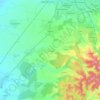
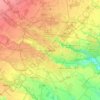
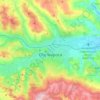
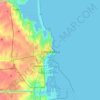
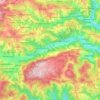
Constanța topographic map

Click on the map to display elevation.

About this map

Name: Constanța topographic map, elevation, terrain.

Location: Mangalia, Constanța, Romania (43.80178 28.53307 43.82867 28.59059)

Average elevation: 17 m

Minimum elevation: -4 m

Maximum elevation: 53 m

Other topographic maps

Click on a map to view its topography, its elevation and its terrain.
Bucharest

Romania

The city has an area of 226 km2 (87 sq mi). The altitude varies from 55.8 m (183.1 ft) at the Dâmbovița bridge in Cățelu, southeastern Bucharest and 91.5 m (300.2 ft) at the Militari church. The city has a roughly round shape, with the centre situated in the cross-way of the main north–south/east-west…

Average elevation: 82 m
Bucharest

Romania > Bucharest > Bucharest

Average elevation: 82 m

Brasov

Romania > Brașov

Average elevation: 762 m

Cluj-Napoca

Romania > Cluj-Napoca

A wide variety of flora grow in the Cluj-Napoca Botanical Garden; some animals have also found refuge there. The city has a number of other parks, of which the largest is the Central Park. This park was founded during the 19th century and includes an artificial lake with an island, as well as the largest…

Average elevation: 490 m

Iași

Romania > Iași > Iași

Average elevation: 130 m

Craiova

Romania > Dolj

Average elevation: 127 m

Sibiu

Romania > Sibiu

Average elevation: 544 m

Sinaia

Romania > Prahova

Sinaia is about 65 kilometres (40 miles) northwest of Ploiești and 48 kilometres (30 miles) south of Brașov, in a mountainous area on the Prahova River valley, just east of the Bucegi Mountains. The town's altitude varies between 767 to 860 metres (2,516 to 2,822 feet) above sea level.

Average elevation: 1,249 m

Ghelința

Romania > Covasna

Average elevation: 925 m

Carpathian Mountains

Romania > Harghita > Toplița

The northwestern Carpathians begin in Slovakia and southern Poland. They surround Transcarpathia and Transylvania in a large semicircle, sweeping towards the southeast, and end on the Danube near Orșova in Romania. The total length of the Carpathians is over 1,500 km (930 mi). The mountain chain's width…

Average elevation: 980 m

Constanța

Romania > Constanța

Spring arrives early but it is quite cool. Often in April and May the Black Sea coast is one of the coolest places in Romania found at an altitude lower than 500 m (1,640 ft).

Average elevation: 19 m

Ploiești

Romania > Prahova

Despite sustaining heavy damage from the 1940 Vrancea earthquake, Ploiești was rebuilt and served as the primary source of petroleum for Nazi Germany during World War II. Consequently, the Allies targeted the city heavily during the oil campaign of World War II. Early air operations included the small-scale…

Average elevation: 158 m

Malu cu Flori

Romania > Dâmbovița

Average elevation: 601 m

Carpathian Mountains

Romania

The northwestern Carpathians begin in Slovakia and southern Poland. They surround Transcarpathia and Transylvania in a large semicircle, sweeping towards the southeast, and end on the Danube near Orșova in Romania. The total length of the Carpathians is over 1,500 km (930 mi). The mountain chain's width…

Average elevation: 330 m

Cluj-Napoca

Romania > Cluj

A wide variety of flora grow in the Cluj-Napoca Botanical Garden; some animals have also found refuge there. The city has a number of other parks, of which the largest is the Central Park. This park was founded during the 19th century and includes an artificial lake with an island, as well as the largest…

Average elevation: 480 m

Suceava

Romania > Suceava

Average elevation: 347 m

Berceni

Romania > Ilfov

Average elevation: 67 m

Vidra

Romania > Alba

Average elevation: 864 m

Inand

Romania > Bihor

Average elevation: 106 m

Oradea

Romania > Bihor

Average elevation: 155 m

Hunedoara

Romania > Hunedoara

Average elevation: 331 m

Peștera Poarta lui Ionele

Romania > Alba > Izvoarele

Average elevation: 937 m

Turnu Măgurele

Romania > Teleorman

A ferry plies across the Danube to the Bulgarian city of Nikopol. There are some vestiges of a Roman bridge across the Danube, built in 330 by Constantine the Great. It is built in the Danube plain in a fertile land called the Burnaz Plain [ro]. At 4 km (2.5 mi) south-west from it the river Olt joins the…

Average elevation: 75 m

Buhăceni

Romania > Botoșani

Average elevation: 127 m

Urdele

Romania > Gorj > Novaci

Average elevation: 1,932 m

Ardeova

Romania > Cluj

Average elevation: 707 m

Giurgești

Romania > Hunedoara

Average elevation: 801 m

Saca Mare

Romania > Mureș > Sovata

Average elevation: 1,574 m

Cârlogani

Romania > Vâlcea > Bălcești

Average elevation: 238 m

Vârful lui Roman

Romania > Vâlcea > Horezu

Average elevation: 1,563 m

Mioveni

Romania > Argeș

Average elevation: 354 m

Ialomița

Romania

Average elevation: 61 m

Clucereasa

Romania > Argeș > Mioveni

Average elevation: 340 m

Danube Delta

Romania > Tulcea > Chilia Veche

Average elevation: 10 m

Homocea

Romania > Vrancea

Average elevation: 143 m

Carpathian Mountains

Romania

The northwestern Carpathians begin in Slovakia and southern Poland. They surround Transcarpathia and Transylvania in a large semicircle, sweeping towards the southeast, and end on the Danube near Orșova in Romania. The total length of the Carpathians is over 1,500 km (930 mi). The mountain chain's width…

Average elevation: 330 m

Bucharest

Romania

The city has an area of 226 km2 (87 sq mi). The altitude varies from 55.8 m (183.1 ft) at the Dâmbovița bridge in Cățelu, southeastern Bucharest and 91.5 m (300.2 ft) at the Militari church. The city has a roughly round shape, with the centre situated in the cross-way of the main north–south/east-west…

Average elevation: 82 m
Negrușa

Romania > Mehedinți

Average elevation: 444 m

Fundata

Romania > Brașov

Average elevation: 1,122 m

Băile Felix

Romania > Bihor

Average elevation: 177 m

Ghida

Romania > Bihor

Average elevation: 172 m

Balc

Romania > Bihor

Average elevation: 215 m

Turbuța

Romania > Sălaj

Average elevation: 245 m

Grădinari

Romania > Caraș-Severin

Average elevation: 144 m

Timișoara

Romania > Timiș

Timișoara lies at an altitude of 90 metres on the southeast edge of the Banat Plain, part of the Pannonian Plain, near the divergence of the Timiș and Bega rivers. The waters of the two rivers form a swampy and frequently flooded land. Timișoara developed on one of few places where the swamps could be…

Average elevation: 92 m

Lugoj

Romania > Timiș

The territory of Lugoj belongs to the high plain of Lugoj and the hills of Lugoj. Located in the contact area of these units, the city developed on the lower terrace of the Timiș River, on both its banks. The relief unit in which Lugoj is located is the Lugoj Plain, which penetrates deep into the piedmont…

Average elevation: 166 m

Băița-Plai

Romania > Bihor > Nucet

Average elevation: 767 m

Constanța

Romania > Constanța

Spring arrives early but it is quite cool. Often in April and May the Black Sea coast is one of the coolest places in Romania found at an altitude lower than 500 m (1,640 ft).

Average elevation: 19 m

Băile Tușnad

Romania > Harghita

With a population of 1,372 (as of 2021), it is the smallest town in Romania by population. It is located at an altitude of 650 m (2,130 ft) in the southern reaches of the Ciuc depression, between the Harghita and Bodoc mountains, in the valley of the Olt River, and is to this day an important spa town. The…

Average elevation: 882 m

Erbiceni

Romania > Iași

Average elevation: 116 m

Nușfalău

Romania > Sălaj

Average elevation: 259 m

Dâmbovicioara

Romania > Argeș

Average elevation: 1,138 m

Orăștie

Romania > Hunedoara

Average elevation: 249 m

Bacău

Romania > Bacău

Average elevation: 186 m

Câmpuri

Romania > Vrancea

Average elevation: 424 m

Măgura

Romania > Hunedoara

Average elevation: 421 m

Satu Nou de Sus

Romania > Maramureș > Baia Sprie

Average elevation: 297 m

Ariușd

Romania > Covasna

Average elevation: 542 m

Groși

Romania > Alba

Average elevation: 554 m

Brad

Romania > Hunedoara

Average elevation: 415 m

Remetea

Romania > Alba

Average elevation: 545 m

Târgu Mureș

Romania > Mureș

The old City Hall was built in 1906–1907 after the construction plans of Márcell Komor and Dezső Jakab. The entrance area, including the corridor and the staircase leading to the first floor, is the most representative in this regard. The ribbed stellar vaults that cover this area were inspired by Gothic…

Average elevation: 357 m

Bucharest

Romania

The city has an area of 226 km2 (87 sq mi). The altitude varies from 55.8 m (183.1 ft) at the Dâmbovița bridge in Cățelu, southeastern Bucharest and 91.5 m (300.2 ft) at the Militari church. The city has a roughly round shape, with the centre situated in the cross-way of the main north–south/east-west…

Average elevation: 82 m
Pitești

Romania > Argeș

Average elevation: 314 m

Transylvania

Romania > Mureș > Band

Average elevation: 648 m

Bucharest

Romania

The city has an area of 226 km2 (87 sq mi). The altitude varies from 55.8 m (183.1 ft) at the Dâmbovița bridge in Cățelu, southeastern Bucharest and 91.5 m (300.2 ft) at the Militari church. The city has a roughly round shape, with the centre situated in the cross-way of the main north–south/east-west…

Average elevation: 82 m
Stoenești

Romania > Olt

Average elevation: 74 m

Buzău

Romania > Buzău

The city is located in the center of the county, 100 km north-east of Bucharest, in the South-East of Romania, taking up a total area of 81,3 km2, at the outermost curvature of the Subcarpathian foothills, at the crossroads of the three main Romanian historical provinces: Wallachia, Transylvania and Moldavia.…

Average elevation: 96 m

Olari

Romania > Arad

Average elevation: 104 m

Gârbău

Romania > Cluj

Average elevation: 501 m

Baia Mare

Romania > Maramureș

The city is situated in the vicinity of the Gutâi and Igniș Mountains. Altitudes reach 1400 meters in some peaks. The area is famous for its outstanding landscapes, and the mountains are easily accessible from the city, famous routes being: Igniș (1307 m), Mogoșa (1246 m), Gutâi (1443 m), Creasta…

Average elevation: 592 m

Butanu

Romania > Vâlcea

Average elevation: 271 m

Verdea

Romania > Vâlcea

Average elevation: 230 m

Zalău

Romania > Sălaj

The city includes a total surface of 90.09 km2 (34.78 sq mi). This includes the one village it administers, Stâna (Felsőnyárló), situated south-east of Meseș, in the hydrographic basin of the Agrij River. Măgura Stânii is at an altitude of 716 m (2,349 ft).

Average elevation: 321 m

Livezile

Romania > Alba

Average elevation: 762 m

Băile Herculane

Romania > Caraș-Severin

Băile Herculane (Latin: Aqua Herculis; German: Herkulesbad; Hungarian: Herkulesfürdő; Czech: Herkulovy Lázně, Turkish: Lazarethane, English: Herculean Baths) is a spa town in Romanian Banat, in Caraș-Severin County, situated in the valley of the Cerna River, between the Mehedinți Mountains to the east…

Average elevation: 571 m

Stoenești

Romania > Argeș

Average elevation: 885 m

Eforie Nord

Romania > Constanța

Average elevation: 11 m

Nehoiu

Romania > Buzău

Average elevation: 696 m

Ponor

Romania > Alba

Average elevation: 890 m

Almașu Mic

Romania > Bihor

Average elevation: 177 m

Copăceni

Romania > Vâlcea

Average elevation: 426 m

Galați

Romania > Galați > Galați

Galați is located in southeastern Romania. Its coordinates are latitude 45 ° 27 'north and longitude 28 ° 02' east. Its area is 246.4 square kilometers (95.1 sq mi). Galați lies in the southern part of the Moldavian Plateau on the left (west) bank of the Danube river at the junction of the Siret River…

Average elevation: 33 m
Sighetu Marmatiei

Romania > Maramureș

Average elevation: 469 m

Horpaz

Romania > Iași

Average elevation: 92 m

Slatina

Romania > Olt

Average elevation: 148 m

Muntele Observatorului

Romania > Harghita > Dănești

Average elevation: 1,221 m

Costinești

Romania > Constanța

Average elevation: 28 m

Cumpăna

Romania > Constanța

Average elevation: 53 m

Oradea

Romania > Bihor

Average elevation: 155 m

Alba Iulia

Romania > Alba

Average elevation: 314 m

Rasnov

Romania > Brașov

Average elevation: 918 m

Bistrița

Romania > Bistrița-Năsăud

According to Köppen climate classification, Bistrița has a humid continental climate(Dfb) with cold, snowy winters and warm, rainy summers. Due to its modest elevation, Bistrița has one of the coldest climates in Romania.

Average elevation: 429 m

Cezieni

Romania > Olt

Average elevation: 123 m

Soveja

Romania > Vrancea

Average elevation: 698 m

Boțârlău

Romania > Vrancea

Average elevation: 27 m

Iordăcheanu

Romania > Prahova

Average elevation: 239 m

Petriș

Romania > Arad

Average elevation: 401 m

Onești

Romania > Bacău

Average elevation: 269 m

Strugureni

Romania > Bistrița-Năsăud

Average elevation: 404 m

Gear up for your next adventure:

🦟Insect Repellent - Keep mosquitoes and black flies away in wooded areas
🪑Ultralight Camping Stool - Compact seating for rest stops during long hikes
🚲Heavy Duty Bike Lock - Secure your bike at the trailhead or during stops
🧭GPS Handheld Device - Reliable GPS navigation for outdoor adventures
Camping Coffee Maker - Brew fresh coffee anywhere on the topographic map

As an Amazon Associate, this site earns from qualifying purchases at no extra cost to you.